Connect With Us
Blog
Items filtered by date: March 2025
Sunday, 30 March 2025 00:00
Keep Your Feet Healthy So You Can Stay Active

Have your feet inspected by a professional before starting a new sport or physical activity. Taking charge of your foot health will keep you in good physical condition and can help you avoid a potential injury, such as a fracture or sprained ankle.
Prevent injuries and see a foot specialist.
Tuesday, 25 March 2025 00:00
Definition and Causes of a Plantar Fibroma
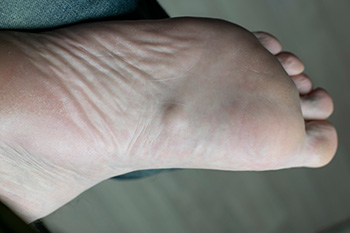
A plantar fibroma is a benign growth that develops in the plantar fascia, the thick band of tissue along the bottom of the foot. This firm lump is usually found in the arch and may cause discomfort or pain, especially when walking or standing for long periods. Symptoms include a noticeable mass under the skin, tenderness, and pressure-related pain. The exact cause is not always clear, but trauma to the foot, certain medications, and improper footwear may contribute to its development. Some health conditions, including diabetes and liver disease associated with alcoholism, have also been linked to plantar fibromas. Treatment options focus on reducing discomfort through orthotics and stretching, as well as other medical interventions. If you have one or more lumps on the sole of your foot, it is suggested that you promptly contact a podiatrist who can help you to manage this condition.
A plantar fibroma may disrupt your daily activities. If you have any concerns, contact Jeffrey L. Bober, DPM of Maryland. Our doctor can provide the care you need to keep you pain-free and on your feet.
Plantar Fibroma
A plantar fibroma is a fibrous knot in the arch of the foot. It is embedded in the plantar fascia which is a band of tissue that extends from the heel to the toes along the bottom of the foot. There can be multiple plantar fibromas in the feet at the same time. There are no known causes for this condition. If you have a plantar fibroma, there will be a bump in the arch of your foot that cannot be missed. Any associated pain is most often due to a shoe rubbing against the nodule. Non-surgical options, such as steroid injections, physical therapy, and orthotics should be tried first. Surgery is a last resort and is the only thing that will remove a plantar fibroma entirely. Consult with a podiatrist for a proper diagnosis and to determine the treatment regimen that is right for you.
What Causes a Plantar Fibroma?
While there are no specific causes identified, a plantar fibroma can possibly come from genetic predisposition or the formation of scar tissue that forms from healing the tears in the plantar fascia.
What Are the Symptoms of a Plantar Fibroma?
There will be a noticeable lump in the arch of the foot that may or may not cause pain. If pain is felt, it is typically because a shoe is rubbing up against the lump or when walking or standing barefoot.
Treatment and Prevention
A plantar fibroma will not disappear without treatment, but it can get smaller and be a non-issue. If pain persists, a podiatrist examines the foot and when the arch of the foot is pressed, pain can be felt down to the toes. An MRI or biopsy might be performed to help diagnose or evaluate the plantar fibroma. The following non-surgical options are generally enough to reduce the size and pain of these nodules:
- Steroid injections
- Orthotics
- Physical therapy to help apply anti-inflammatory creams on the bump
Surgery is considered if the mass increases in size and the patient continues to feel pain after non-surgical methods are tried.
If you have any questions please feel free to contact our office located in Glen Burnie, MD . We offer the newest diagnostic tools and technology to treat your foot and ankle needs.
Tuesday, 18 March 2025 00:00
Foot and Ankle Injuries in Ballet

Ballet places significant stress on the feet and ankles, leading to both acute traumatic injuries and overuse injuries. Acute injuries occur suddenly and may include sprains, fractures, or tendon tears from jumps, pointe work, or improper landings. These injuries often result in swelling, pain, and difficulty bearing weight. Overuse injuries develop gradually due to repetitive movements and excessive strain on the foot structures. Common conditions include stress fractures, Achilles tendonitis, and plantar fasciitis, which cause persistent discomfort and limit mobility. Weakness, improper technique, and wearing inadequate footwear can increase the risk of injury. Strengthening exercises, proper warm-ups, and rest periods help protect the feet and ankles from excessive strain. Maintaining strong, flexible muscles and using proper form can enhance performance while reducing the likelihood of injuries. It is suggested that you consult a podiatrist if you have endured a foot injury from ballet. This type of doctor can offer appropriate relief and treatment solutions.
Ankle and foot injuries are common among athletes and in many sports. They can be caused by several problems and may be potentially serious. If you are feeling pain or think you were injured in a sporting event or when exercising, consult with Jeffrey L. Bober, DPM from Maryland. Our doctor will assess your condition and provide you with quality foot and ankle treatment.
Common Injuries
The most common injuries that occur in sporting activities include:
- Achilles Tendonitis
- Achilles Tendon Rupture
- Ankle Sprains
- Broken Foot
- Plantar Fasciitis
- Stress Fractures
- Turf Toe
Symptoms
Symptoms vary depending upon the injury and in some cases, there may be no symptoms at all. However, in most cases, some form of symptom is experienced. Pain, aching, burning, bruising, tenderness, tightness or stiffness, sensation loss, difficulty moving, and swelling are the most common symptoms.
Treatment
Just as symptoms vary depending upon the injury, so do treatment options. A common treatment method is known as the RICE method. This method involves rest, applying ice, compression and elevating the afflicted foot or ankle. If the injury appears to be more serious, surgery might be required, such as arthroscopic or reconstructive surgery. Lastly, rehabilitation or therapy might be needed to gain full functionality in the afflicted area. Any discomfort experienced by an athlete must be evaluated by a licensed, reputable medical professional.
If you have any questions, please feel free to contact our office located in Glen Burnie, MD . We offer the newest diagnostic and treatment technologies for all your foot care needs.
Tuesday, 11 March 2025 00:00
Ankle Joint Wear After Trauma
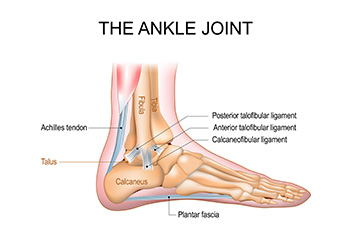
Sometimes an ankle injury, like a broken ankle, can lead to a gradual joint breakdown that affects everyday movement. When the cushioning tissue is damaged by a fracture, sprain, or repeated impact, the smooth surface that helps bones glide becomes worn. As the bones begin to rub against each other, discomfort and stiffness develop, along with swelling and persistent pain. Over time, these changes make walking and other activities increasingly difficult. Early detection is important to prevent further damage. Treatments may include rest, targeted exercises, and special shoes to reduce pressure on the joint. In some cases, injections or surgery are considered to restore function and relieve pain. If you experience ongoing pain or limited mobility after an ankle injury, it is suggested that you see a podiatrist for evaluation and appropriate treatment.
Ankle pain can be caused by a number of problems and may be potentially serious. If you have ankle pain, consult with Jeffrey L. Bober, DPM from Maryland. Our doctor will assess your condition and provide you with quality foot and ankle treatment.
Ankle pain is any condition that causes pain in the ankle. Due to the fact that the ankle consists of tendons, muscles, bones, and ligaments, ankle pain can come from a number of different conditions.
Causes
The most common causes of ankle pain include:
- Types of arthritis (rheumatoid, osteoarthritis, and gout)
- Ankle sprains
- Broken ankles
- Achilles tendonitis
- Achilles tendon rupture
- Stress fractures
- Bursitis
- Tarsal tunnel syndrome
- Plantar fasciitis
Symptoms
Symptoms of ankle injury vary based upon the condition. Pain may include general pain and discomfort, swelling, aching, redness, bruising, burning or stabbing sensations, and/or loss of sensation.
Diagnosis
Due to the wide variety of potential causes of ankle pain, podiatrists will utilize a number of different methods to properly diagnose ankle pain. This can include asking for personal and family medical histories and of any recent injuries. Further diagnosis may include sensation tests, a physical examination, and potentially x-rays or other imaging tests.
Treatment
Just as the range of causes varies widely, so do treatments. Some more common treatments are rest, ice packs, keeping pressure off the foot, orthotics and braces, medication for inflammation and pain, and surgery.
If you have any questions, please feel free to contact our office located in Glen Burnie, MD . We offer the newest diagnostic and treatment technologies for all your foot care needs.
Tuesday, 04 March 2025 00:00
Facts About Gout Attacks
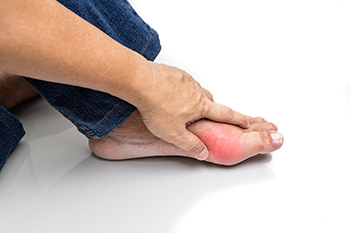
Gout is a form of arthritis caused by the buildup of uric acid crystals in the joints, leading to sudden and intense pain. This condition commonly affects the big toe but can also involve other joints such as the ankles, knees, and wrists. Uric acid accumulates when the body produces too much of it or fails to eliminate it efficiently. Consuming foods high in purines, such as red meat and seafood, excessive alcohol intake, obesity, and certain medical conditions can contribute to the development of gout. Symptoms include severe joint pain, redness, swelling, and warmth in the affected area. Episodes often occur unexpectedly and may last for several days. If you have developed this painful condition, it is suggested that you are under the care of a podiatrist who can help you to manage gout.
Gout is a foot condition that requires certain treatment and care. If you are seeking treatment, contact Jeffrey L. Bober, DPM from Maryland. Our doctor will treat your foot and ankle needs.
What Is Gout?
Gout is a type of arthritis caused by a buildup of uric acid in the bloodstream. It often develops in the foot, especially the big toe area, although it can manifest in other parts of the body as well. Gout can make walking and standing very painful and is especially common in diabetics and the obese.
People typically get gout because of a poor diet. Genetic predisposition is also a factor. The children of parents who have had gout frequently have a chance of developing it themselves.
Gout can easily be identified by redness and inflammation of the big toe and the surrounding areas of the foot. Other symptoms include extreme fatigue, joint pain, and running high fevers. Sometimes corticosteroid drugs can be prescribed to treat gout, but the best way to combat this disease is to get more exercise and eat a better diet.
If you have any questions please feel free to contact our office located in Glen Burnie, MD . We offer the newest diagnostic and treatment technologies for all your foot and ankle needs.
Blog Archives
- July 2025
- June 2025
- May 2025
- April 2025
- March 2025
- February 2025
- January 2025
- December 2024
- November 2024
- October 2024
- September 2024
- August 2024
- July 2024
- June 2024
- May 2024
- April 2024
- March 2024
- February 2024
- January 2024
- December 2023
- November 2023
- October 2023
- September 2023
- August 2023
- July 2023
- June 2023
- May 2023
- April 2023
- March 2023
- February 2023
- January 2023
- December 2022
- November 2022
- October 2022
- September 2022
- August 2022
- July 2022
- June 2022
- May 2022
- April 2022
- March 2022
- February 2022
- January 2022
- December 2021
- November 2021
- October 2021
