Managing Toe Pain

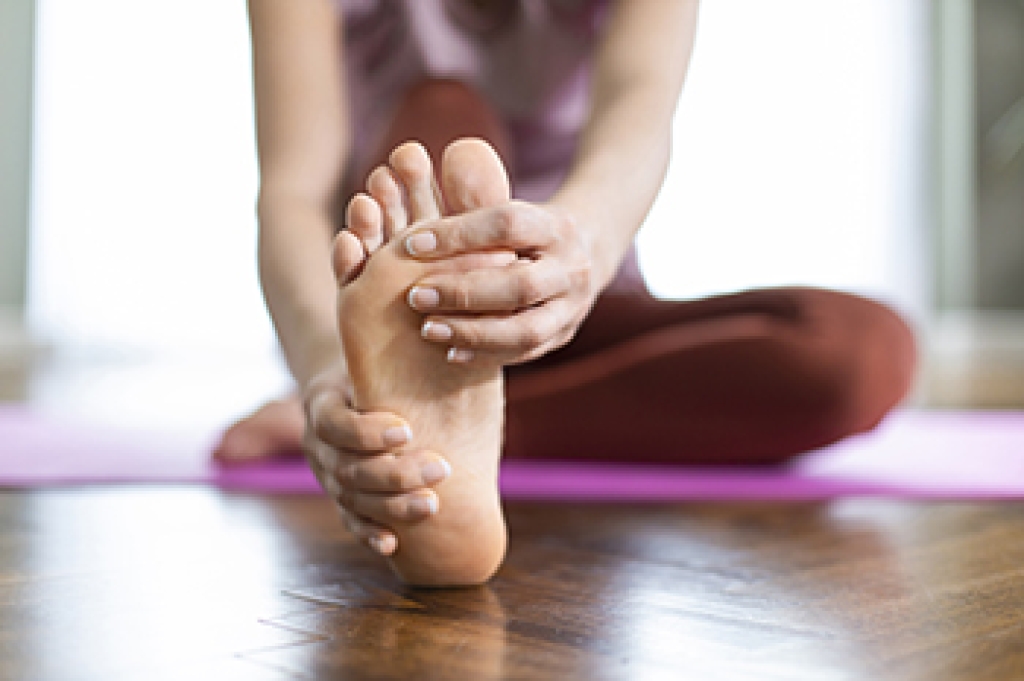
Toe joint pain can make walking uncomfortabl,e and may interfere with daily activities. It often develops from arthritis, overuse, injury, or structural problems in the foot. The pain may be felt in the big toe or smaller toes, and can result in stiffness, swelling, or a deep aching sensation. Some people notice redness, warmth, or a reduced ability to bend the toe, especially during push off when walking. In certain cases, sharp or sudden pain in the big toe joint may be related to gout. The joint may appear enlarged or tender, and discomfort can worsen with activity or pressure from footwear. A podiatrist can evaluate joint movement, foot structure, and possible underlying causes through an examination and imaging tests. Relief options can include wearing supportive footwear, custom orthotics, anti-inflammatory care, and targeted exercises to maintain mobility. If you have persistent toe joint pain, it is suggested that you schedule an appointment with a podiatrist for appropriate relief and treatment solutions.

Toe pain can disrupt your daily activities. If you have any concerns, contact Jeffrey L. Bober, DPM of Maryland. Our doctor can provide the care you need to keep you pain-free and on your feet.

What Causes Toe Pain?

Most severe toe pain is caused due to a sports injury, trauma from dropping something heavy on the toe, or bumping into something rigid. Other problems can develop over time for various reasons.

Toe pain can be caused by one or more ailments. The most common include:

  • Trauma
  • Sports injury
  • Wearing shoes that are too tight
  • Arthritis
  • Gout
  • Corns and calluses
  • Hammertoe
  • Bunions
  • Blisters
  • Ingrown toenails
  • Sprains
  • Fractures (broken bones)
  • Dislocations

When to See a Podiatrist

  • Severe pain
  • Persistent pain that lasts more than a week
  • Signs of infection
  • Continued swelling
  • Pain that prevents walking

Diagnosis

In many cases the cause of toe pain is obvious, but in others, a podiatrist may want to use more advanced methods to determine the problem. These can range from simple visual inspections and sensation tests to X-rays and MRI scans. Prior medical history, family medical history, and any recent physical traumatic events will all be taken into consideration for a proper diagnosis.

Treatment

Treatments for toe pain and injuries vary and may include shoe inserts, padding, taping, medicines, injections, and in some cases, surgery. If you believe that you have broken a toe, please see a podiatrist as soon as possible.

If you have any questions please contact our office located in Glen Burnie, MD . We offer the newest diagnostic and treatment technologies for all your foot and ankle needs.
Read more about Toe Pain

Fracture Blisters on the Foot

Fracture blisters are fluid-filled skin lesions that develop on the foot after a bone fracture, caused by intense swelling and pressure that disrupts the layers of the skin, often appearing clear or filled with blood. These blisters are typically accompanied by pain, swelling, and a feeling of tightness in the affected area, and may increase the risk of infection, if not treated promptly and properly. Common causes include traumatic injuries such as falls, accidents, or sports-related impacts, while risk factors include severe swelling, poor circulation, and delayed medical attention. A podiatrist can assess the injury, protect the skin, and support proper healing. If you notice blistering after a foot injury, it is strongly suggested that you consult a podiatrist who can offer effective relief and treatment solutions.

Blisters may appear as a single bubble or in a cluster. They can cause a lot of pain and may be filled with pus, blood, or watery serum. If your feet are hurting, contact Jeffrey L. Bober, DPM of Maryland. Our doctor can provide the care you need to keep you pain-free and on your feet.

Foot Blisters

Foot blisters are often the result of friction. This happens due to the constant rubbing from shoes, which can lead to pain.

What Are Foot Blisters?

A foot blister is a small fluid-filled pocket that forms on the upper-most layer of the skin. Blisters are filled with clear fluid and can lead to blood drainage or pus if the area becomes infected.

Symptoms

(Blister symptoms may vary depending on what is causing them)

  • Bubble of skin filled with fluid
  • Redness
  • Moderate to severe pain
  • Itching

Prevention & Treatment

In order to prevent blisters, you should be sure to wear comfortable shoes with socks that cushion your feet and absorb sweat. Breaking a blister open may increase your chances of developing an infection. However, if your blister breaks, you should wash the area with soap and water immediately and then apply a bandage to the affected area. If your blisters cause severe pain it is important that you call your podiatrist right away.

If you have any questions, please feel free to contact our office located in Glen Burnie, MD . We offer the newest diagnostic and treatment technologies for all your foot care needs.

Read more about Blisters

Understanding Corns and Calluses and How They Are Treated

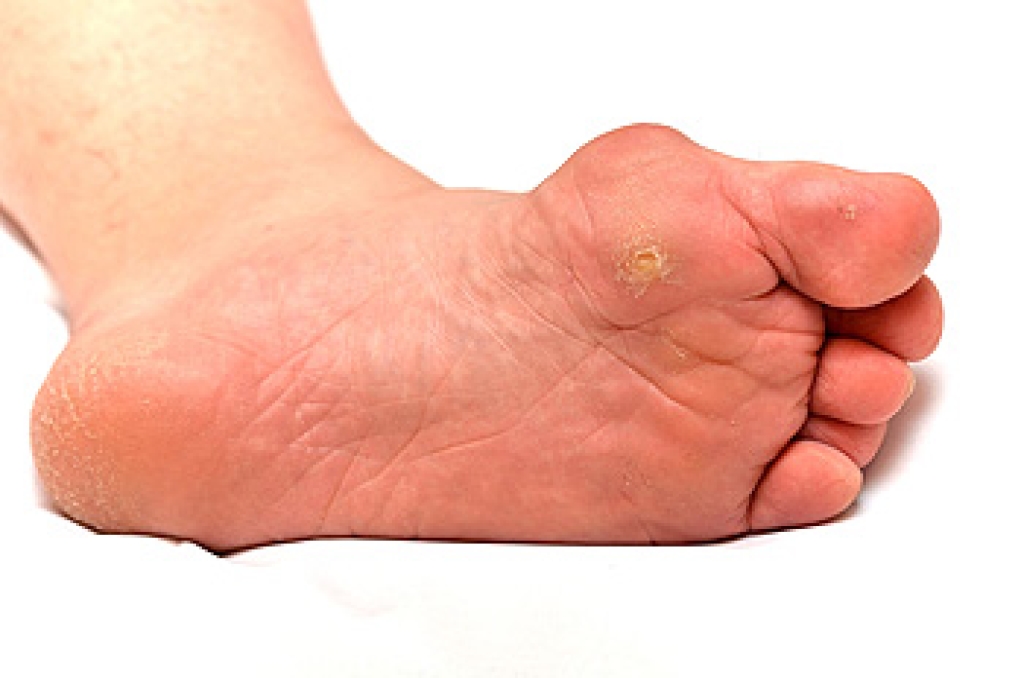
Corns and calluses are thickened areas of skin that develop from repeated pressure or friction. A corn is a small, focused area of hardened skin that often forms on or between toes and may feel painful due to its deeper core. A callus is a larger, flatter area that usually develops on the bottom of the foot, and may feel rough rather than painful. Treatment begins by reducing the source of pressure, which may include wearing better fitting shoes, padding, or custom orthotics. A podiatrist can safely trim thickened skin to relieve discomfort and improve function. In some cases, underlying foot structure or walking patterns need to be addressed to prevent the return of these problems. Avoid cutting these areas at home, as this can lead to injury or infection. If you have persistent thickened skin or pain on your feet, it is suggested that you see a podiatrist for a proper diagnosis and appropriate care.

If you have any concerns regarding your feet and ankles, contact Jeffrey L. Bober, DPM of Maryland. Our doctor will treat your foot and ankle needs.

Corns: What Are They? and How Do You Get Rid of Them?
Corns can be described as areas of the skin that have thickened to the point of becoming painful or irritating. They are often layers and layers of the skin that have become dry and rough, and are normally smaller than calluses.

Ways to Prevent Corns
There are many ways to get rid of painful corns such as wearing:

  • Well-fitting socks
  • Comfortable shoes that are not tight around your foot
  • Shoes that offer support

Treating Corns
Treatment of corns involves removing the dead skin that has built up in the specific area of the foot. Consult with Our doctor to determine the best treatment option for your case of corns.

If you have any questions, please feel free to contact our office located in Glen Burnie, MD . We offer the newest diagnostic and treatment technologies for all your foot care needs.

Read more about Corns: What Are They, and How Do You Get Rid of Them

Exercises That Help Support Flexible Flat Feet

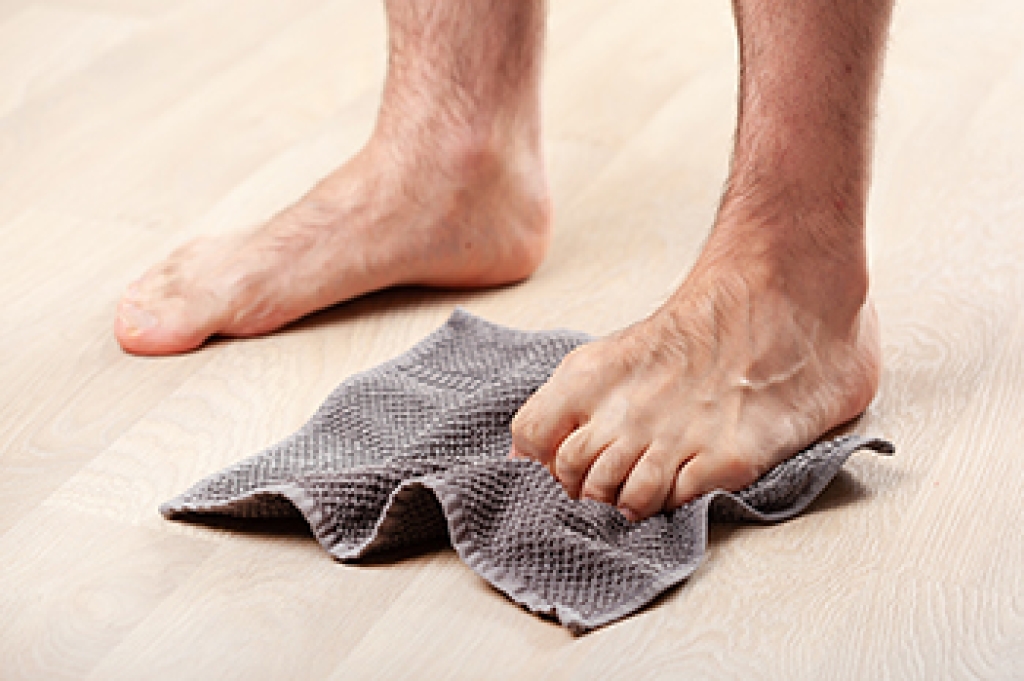
Flexible flat feet occur when the arch of the foot appears normal while sitting, but flattens when standing or walking. This type of foot structure can place extra strain on muscles, tendons, and ligaments that support the arch. Strengthening the small muscles of the feet and ankles may help improve alignment and stability. One helpful exercise is the towel curl. Place a towel on the floor and use your toes to slowly scrunch it toward you while keeping the heel on the ground. Another effective movement is the short foot exercise, which gently lifts the arch by drawing the ball of the foot toward the heel without curling the toes. Calf stretching is also beneficial because tight calf muscles can affect foot mechanics. Practicing these exercises regularly may support better foot function, over time. If flat feet cause pain or difficulty with activity, it is suggested that you see a podiatrist for relief strategies.

Exercising your feet regularly with the proper foot wear is a great way to prevent injuries and build strength. If you have any concerns about your feet, contact Jeffrey L. Bober, DPM from Maryland. Our doctor can provide the care you need to keep you pain-free and on your feet.

Exercise for Your Feet

Exercise for your feet can help you gain strength, mobility and flexibility in your feet. They say that strengthening your feet can be just as rewarding as strengthening another part of the body. Your feet are very important, and we often forget about them in our daily tasks. But it is because of our feet that are we able to get going and do what we need to. For those of us fortunate enough to not have any foot problems, it is an important gesture to take care of them to ensure good health in the long run.

Some foot health exercises can include ankle pumps, tip-toeing, toe rises, lifting off the floor doing reps and sets, and flexing the toes. It is best to speak with Our doctor to determine an appropriate regimen for your needs. Everyone’s needs and bodies are different, and the activities required to maintain strength in the feet vary from individual to individual. 

Once you get into a routine of doing regular exercise, you may notice a difference in your feet and how strong they may become.

If you have any questions, please feel free to contact our office located in Glen Burnie, MD . We offer the newest diagnostic and treatment technologies for all your foot care needs.

Read more about Exercise for Your Feet

Wounds That Don't Heal Need to Be Checked

Your feet are covered most of the day. If you're diabetic, periodic screening is important for good health. Numbness is often a sign of diabetic foot and can mask a sore or wound.

Connect With Us

Advanced Podiatric Procedures & Services in the Glen Burnie, MD 21061 area