
Podiatric Treatment for Ankle Pain

Ankle pain can affect one or both ankles, and can make standing, walking, or physical activity uncomfortable. A sprain is one frequent cause. This injury happens when one or more ligaments, the strong bands that connect bones, are stretched or torn. An ankle that twists inward can damage ligaments and lead to swelling or bruising. Pain can also come from irritated tendons, which connect muscles to bones. Arthritis, joint infection, and nerve problems are other possible causes.

A podiatrist can evaluate ankle pain and determine whether the problem involves bones, joints, or surrounding tissues. The examination can include checking swelling, tenderness, and range of motion. A podiatrist can also evaluate the patient's ability to place weight on the ankle during the physical examination. Imaging tests can be used when a fracture or another injury is suspected. Severe pain after an injury deserves prompt attention, especially when the ankle looks deformed or cannot support weight. Significant swelling or an inability to move the ankle also requires medical evaluation. Redness, warmth, and fever can point to an infection and should be evaluated promptly.

Treatment for ankle pain depends on its cause and the amount of damage present. A podiatrist can provide treatment to protect the ankle and support proper healing. Care can include a brace, walking boot, or other form of support. The podiatrist can also recommend supervised exercises to improve strength, balance, and ankle movement when appropriate for the condition. Some injuries require additional medical treatment or surgery. A podiatrist can monitor recovery and determine when returning to normal activities is appropriate. Persistent ankle pain should not be ignored because different conditions can cause similar symptoms. An accurate diagnosis allows treatment to address the source of the problem rather than the discomfort alone. If you have ankle pain, it is suggested that you schedule an appointment with a podiatrist for a diagnosis and  appropriate treatment.

Ankle pain can have many different causes and the pain may potentially be serious. If you have ankle pain, consult with Jeffrey L. Bober, DPM from Maryland. Our doctor will assess your condition and provide you with quality foot and ankle treatment.

Ankle pain is any condition that causes pain in the ankle. Due to the fact that the ankle consists of tendons, muscles, bones, and ligaments, ankle pain can come from a number of different conditions.

Causes

The most common causes of ankle pain include:

  • Types of arthritis (rheumatoid, osteoarthritis, and gout)
  • Ankle sprains
  • Broken ankles
  • Achilles tendinitis
  • Achilles tendon rupture
  • Stress fractures
  • Tarsal tunnel syndrome
  • Plantar fasciitis

Symptoms

Symptoms of ankle injury vary based upon the condition. Pain may include general pain and discomfort, swelling, aching, redness, bruising, burning or stabbing sensations, and/or loss of sensation.

Diagnosis

Due to the wide variety of potential causes of ankle pain, podiatrists will utilize a number of different methods to properly diagnose ankle pain. This can include asking for personal and family medical histories and of any recent injuries. Further diagnosis may include sensation tests, a physical examination, and potentially x-rays or other imaging tests.

Treatment

Just as the range of causes varies widely, so do treatments. Some more common treatments are rest, ice packs, keeping pressure off the foot, orthotics and braces, medication for inflammation and pain, and surgery.

If you have any questions please feel free to contact our office located in Glen Burnie, MD . We offer the newest diagnostic tools and technology to treat your foot and ankle needs.


Read more about Ankle Pain

Heel Pain in the Morning?

Heel pain can negatively affect your day-to-day life. Simple activities like walking can become incredibly uncomfortable or painful due to heel pain.

Don’t live with heel pain and get treated.

Running Shoes for Long-Distance Comfort

Long-distance running places repeated stress on the feet, ankles, and knees, making proper footwear important. Running shoes provide cushioning, support, and protection during repetitive movement. Wearing the wrong shoes may contribute to foot pain, heel discomfort, or aching joints. Risk factors include increasing mileage too quickly, wearing worn-out footwear, and shoes that do not match your foot shape or running mechanics.

When choosing shoes for long distance running, start with comfort and fit. Your toes should have enough room to move without allowing your foot to slide inside the shoe. Quality materials, secure construction, and appropriate cushioning can improve durability during training. Function also matters because runners need different levels of support, flexibility, and stability. Consider your running style and terrain. Road runners may benefit from responsive cushioning, while trail runners may need stronger traction and added protection.


Choosing the right running shoe can help reduce pressure during longer workouts. A podiatrist can evaluate your feet, walking pattern, and areas of tenderness when pain develops. Treatment may include activity modification, footwear recommendations, or custom orthotics, when appropriate. If symptoms continue, the podiatrist may recommend imaging or diagnostic testing to identify an underlying condition and guide treatment.


The best running shoe is not necessarily the most expensive or heavily cushioned option. It is the shoe that fits properly, supports your running style, and suits your terrain. It should remain comfortable throughout your mileage. Replace shoes when cushioning, tread, or structural support becomes worn. Pay attention to new pain because discomfort can signal that your footwear or training routine needs attention. If you have developed foot pain while running, it is suggested that you consult a podiatrist for effective relief tips, and guidance on choosing shoes for your running style. 

For more information about walking shoes versus running shoes, consult with Jeffrey L. Bober, DPM from Maryland. Our doctor can measure your feet to determine what your needs are and help you find an appropriate pair of footwear.

Foot Health: The Differences between Walking & Running Shoes

There are great ways to stay in shape: running and walking are two great exercises to a healthy lifestyle. It is important to know that running shoes and walking shoes are not interchangeable. There is a key difference on how the feet hit the ground when someone is running or walking. This is why one should be aware that a shoe is designed differently for each activity.

You may be asking yourself what the real differences are between walking and running shoes and the answers may shock you.

Differences

Walking doesn’t involve as much stress or impact on the feet as running does. However, this doesn’t mean that you should be any less prepared. When you’re walking, you land on your heels and have your foot roll forward. This rolling motion requires additional support to the feet.

Flexibility – Walking shoes are designed to have soft, flexible soles. This allows the walker to push off easily with each step.

If you have any questions, please feel free to contact our office located in Glen Burnie, MD . We offer the newest diagnostic and treatment technologies for all your foot care needs.

Read more about Differences between Walking and Running Shoes

Plantar Fasciitis and Heel Pain

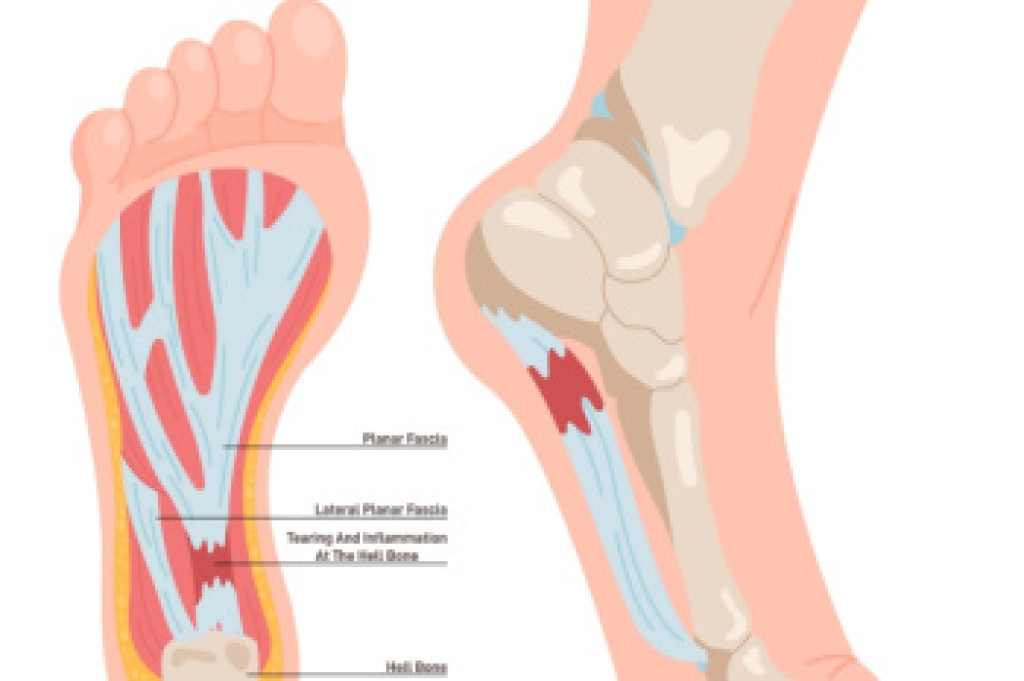
Plantar fasciitis causes pain along the bottom of the heel. It occurs when the plantar fascia, a strong band of tissue connecting the heel bone to the toes, becomes irritated or strained. This tissue supports the arch and helps absorb pressure with every step. Repeated stress can cause small tissue injuries and discomfort. Plantar fasciitis may affect people of many ages, especially those who spend much of the day standing, walking, or participating in activities that place repeated pressure on the feet. Recognizing the condition early can help prevent heel pain from becoming a persistent problem.

One of the most recognizable symptoms of plantar fasciitis is sharp heel pain with the first steps in the morning. The discomfort may improve after moving around but can return after sitting or resting for a long time. Pain may also develop after exercise, prolonged walking, or extended periods of standing. Tenderness commonly occurs near the bottom or inner portion of the heel. As symptoms continue, everyday activities may become more difficult, including walking, working, and completing household tasks.


Several risk factors can contribute to plantar fasciitis. Frequent running, walking, and prolonged standing can place additional stress on the plantar fascia. Flat feet, high arches, and certain walking patterns may also affect how pressure is distributed across the foot. Wearing shoes without adequate support can increase strain, particularly when standing or walking for long periods of time. Carrying excess body weight may place additional pressure on the feet and contribute to irritation. 


A podiatrist can examine the foot, review symptoms, and assess foot structure and walking mechanics to determine the likely cause of heel pain. Treatment may include wearing supportive footwear, custom orthotics, and stretching exercises. If you have consistent heel pain or symptoms of plantar fasciitis, it is suggested that you consult a podiatrist for effective relief and treatment solutions.

Plantar fasciitis is a common foot condition that is often caused by a strain injury. If you are experiencing heel pain or symptoms of plantar fasciitis, contact Jeffrey L. Bober, DPM from Maryland. Our doctor can provide the care you need to keep you pain-free and on your feet.

What Is Plantar Fasciitis?

Plantar fasciitis is one of the most common causes of heel pain. The plantar fascia is a ligament that connects your heel to the front of your foot. When this ligament becomes inflamed, plantar fasciitis is the result. If you have plantar fasciitis you will have a stabbing pain that usually occurs with your first steps in the morning. As the day progresses and you walk around more, this pain will start to disappear, but it will return after long periods of standing or sitting.

What Causes Plantar Fasciitis?

  • Excessive running
  • Having high arches in your feet
  • Other foot issues such as flat feet
  • Pregnancy (due to the sudden weight gain)
  • Being on your feet very often

There are some risk factors that may make you more likely to develop plantar fasciitis compared to others. The condition most commonly affects adults between the ages of 40 and 60. It also tends to affect people who are obese because the extra pounds result in extra stress being placed on the plantar fascia.

Prevention

  • Take good care of your feet – Wear shoes that have good arch support and heel cushioning.
  • Maintain a healthy weight
  • If you are a runner, alternate running with other sports that won’t cause heel pain

There are a variety of treatment options available for plantar fasciitis along with the pain that accompanies it. Additionally, physical therapy is a very important component in the treatment process. It is important that you meet with your podiatrist to determine which treatment option is best for you.

If you have any questions, please feel free to contact our office located in Glen Burnie, MD . We offer the newest diagnostic and treatment technologies for all your foot care needs.


Read more about Plantar Fasciitis

Broken Toe Symptoms and Treatment Options

A broken toe is a fracture in one of the small bones of a toe. Each of the four smaller toes has three bones, while the big toe has two. Any of these bones can break. A fracture can happen after stubbing a toe against a hard object or dropping something heavy on the foot. Pain can begin right away and make walking uncomfortable. Swelling and bruising are also typical signs. Damage around the toenail can occur with some injuries, especially when the impact is strong enough to cut the skin beneath the nail.

A podiatrist can examine an injured toe and determine whether a fracture is likely. X-rays can usually show the location of the break and help guide treatment. An injury involving bleeding or damage beneath the nail deserves prompt attention because a cut can be hidden under the nail. The position of the toe also matters. A podiatrist can check whether the broken bone remains properly aligned, and look for damage to nearby tissues. This evaluation helps separate a fracture from other injuries that can cause similar pain and swelling.

Treatment depends on the location and severity of the broken toe. Surgery is rarely required for toe fractures. A podiatrist can stabilize certain fractures by securing the injured toe to the neighboring toe, a method called buddy-taping. A hard-soled shoe can reduce painful bending of the toe when walking. Many toe fractures heal within four to six weeks. A podiatrist can monitor healing and determine when returning to sports or other physical activities is appropriate. Persistent pain or problems with walking can signal that the toe needs further evaluation. If you have broken your toe, it is suggested that you schedule an appointment with a podiatrist for a diagnosis and appropriate treatment.

Broken toes may cause a lot of pain and should be treated as soon as possible. If you have any concerns about your feet, contact Jeffrey L. Bober, DPM from Maryland. Our doctor will treat your foot and ankle needs.

What Is a Broken Toe?

A broken toe occurs when one or more of the toe bones of the foot are broken after an injury. Injuries such as stubbing your toe or dropping a heavy object on it may cause a toe fracture.

Symptoms of a Broken Toe

  • Swelling
  • Pain (with/without wearing shoes)
  • Stiffness
  • Nail Injury

Although the injured toe should be monitored daily, it is especially important to have a podiatrist look at your toe if you have severe symptoms. Some of these symptoms include worsening or new pain that is not relieved with medication, sores, redness, or open wounds near the toe.

If you have any questions please feel free to contact our office located in Glen Burnie, MD . We offer the newest diagnostic tools and technology to treat your foot and ankle needs.
Read more about What to Know About a Broken Toe

Connect With Us

Advanced Podiatric Procedures & Services in the Glen Burnie, MD 21061 area