
Ingrown toenails can be painful and can make wearing shoes or walking uncomfortable. Seek professional help if you believe you've developed an ingrown toenail and be treated safely.
Ingrown toenails can be painful and can make wearing shoes or walking uncomfortable. Seek professional help if you believe you've developed an ingrown toenail and be treated safely.
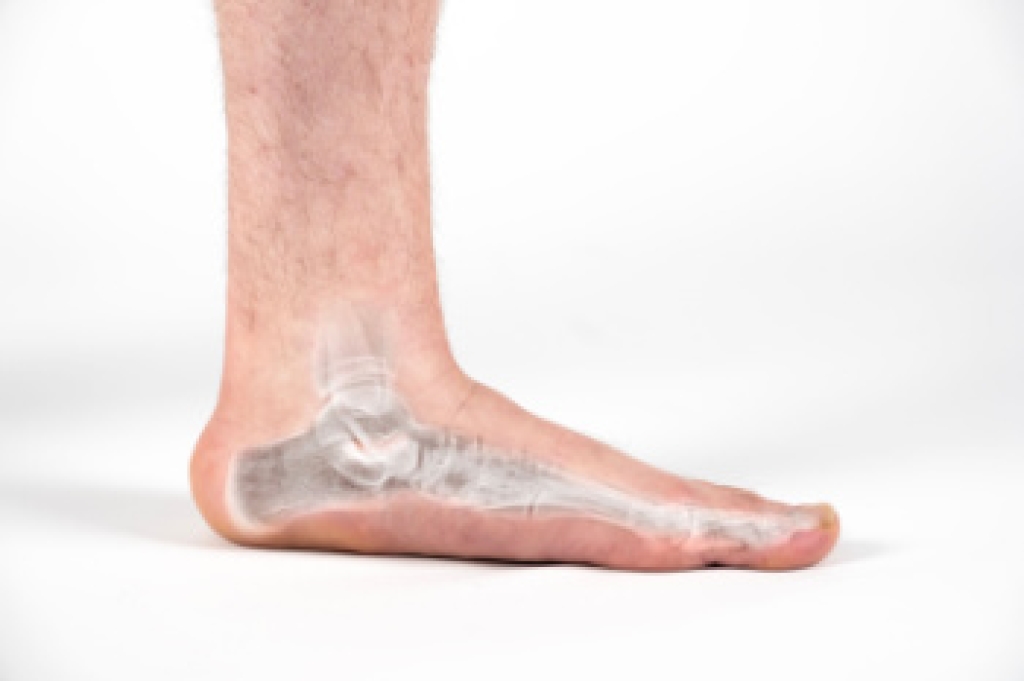
Flat feet, also called fallen arches, have little or no visible arch when standing. The entire sole touches more of the ground, changing how weight moves through the foot. Some people are born with flat feet, while others develop them later in life. Children frequently appear flat-footed because soft tissue hides the arch, which becomes more noticeable as they grow. Adults, however, can develop flatter feet after injury, aging, and weight gain. Conditions affecting muscles and tendons can also be factors. Some patients have no symptoms, but others notice discomfort, poor balance, or tired feet.
Flat feet can place extra stress on the ankles, knees, and lower back. The feet also roll inward more than normal while walking, which changes body alignment and increases strain. This motion can cause faster shoe wear and make daily activities less comfortable. Pain sometimes develops in the heel, arch, or ankle. Swelling can also appear after long periods of standing. A podiatrist examines the feet and watches how you move. Imaging studies may help confirm the cause of symptoms. Treatment includes custom orthotics that fit inside your shoes and improve foot support. A podiatrist often recommends shoes that provide proper support and fit correctly. Surgery may be needed to correct structural problems that cannot be managed with other treatments.
Early evaluation helps prevent ongoing pain and supports better movement. Prompt care also reduces stress on nearby joints and helps patients remain active. Ignoring persistent symptoms allows problems to become harder to manage. A podiatrist monitors changes, answers questions, and recommends treatment based on your foot structure and daily activities. Regular follow-up visits help measure progress and adjust treatment when appropriate. Healthy foot alignment improves comfort and confidence with every step. If you have foot pain related to flat feet, it is suggested that you schedule an appointment with a podiatrist for effective relief and management solutions.
Flatfoot is a condition many people suffer from. If you have flat feet, contact Jeffrey L. Bober, DPM from Maryland. Our doctor will treat your foot and ankle needs.
What Are Flat Feet?
Flatfoot is a condition in which the arch of the foot is depressed and the sole of the foot is almost completely in contact with the ground. About 20-30% of the population generally has flat feet because their arches never formed during growth.
Conditions & Problems:
Having flat feet makes it difficult to run or walk because of the stress placed on the ankles.
Alignment – The general alignment of your legs can be disrupted, because the ankles move inward which can cause major discomfort.
Knees – If you have complications with your knees, flat feet can be a contributor to arthritis in that area.
Symptoms
Treatment
If you are experiencing pain and stress on the foot you may weaken the posterior tibial tendon, which runs around the inside of the ankle.
If you have any questions, please feel free to contact our office located in Glen Burnie, MD . We offer the newest diagnostic and treatment technologies for all your foot care needs.

Orthotics are shoe inserts designed to improve foot function, reduce discomfort, and support healthy movement. They help position the feet more effectively when muscles, tendons, ligaments, joints, or bones are not working together as they should. Orthotics can relieve pain caused by conditions like plantar fasciitis, bunions, hammertoes, flat feet, and high arches. They also help reduce foot fatigue during daily activities. Orthotics come in several forms, including over-the-counter inserts and custom-made devices. Choosing the right option depends on the cause of the problem, the structure of the foot, and the level of support needed. A careful evaluation helps determine which type is most appropriate for each patient.
A podiatrist performs a detailed examination that includes foot structure, walking pattern, and activity level before recommending orthotics. This assessment helps identify abnormal movement patterns and pressure points that contribute to pain. Custom orthotics are tailored to a patient’s unique foot structure, while over-the-counter inserts offer a generic solution that may not adequately address individual needs. A podiatrist also recommends shoes that provide proper support because even the best orthotics perform better inside well-fitting footwear. Regular follow-up visits help monitor comfort and determine whether adjustments are needed as symptoms or activity levels change.
Orthotics are not a one-size-fits-all solution, and using the wrong type can limit their benefits. Some patients need custom orthotics because of more complex foot problems or medical conditions like diabetes and severe arthritis. A podiatrist can determine which type best matches each patient's needs and long-term goals. Early evaluation helps improve comfort, support healthy foot mechanics, and reduce unnecessary stress on the feet while walking and standing. If you have symptoms of foot pain or conditions that could benefit from custom orthotics, it is suggested that you schedule an appointment with a podiatrist for diagnosis and treatment.
If you are having discomfort in your feet and would like to try orthotics, contact Jeffrey L. Bober, DPM from Maryland. Our doctor can provide the care you need to keep you pain-free and on your feet.
What Are Orthotics?
Orthotics are inserts you can place into your shoes to help with a variety of foot problems such as flat feet or foot pain. Orthotics provide relief and comfort for minor foot and heel pain but can’t correct serious biomechanical problems in your feet.
Over-the-Counter Inserts
Orthotics come in a wide variety of over-the-counter inserts that are used to treat foot pain, heel pain, and minor problems. For example, arch supports can be inserted into your shoes to help correct overarched or flat feet, while gel insoles are often used because they provide comfort and relief from foot and heel pain by alleviating pressure.
Prescription Orthotics
If over-the-counter inserts don’t work for you or if you have a more severe foot concern, it is possible to have your podiatrist prescribe custom orthotics. These high-quality inserts are designed to treat problems such as abnormal motion, plantar fasciitis, and severe forms of heel pain. They can even be used to help patients suffering from diabetes by treating foot ulcers and painful calluses and are usually molded to your feet individually, which allows them to provide full support and comfort.
If you are experiencing minor to severe foot or heel pain, it’s recommended to speak with your podiatrist about the possibilities of using orthotics. A podiatrist can determine which type of orthotic is right for you and allow you to take the first steps towards being pain-free.
If you have any questions, please feel free to contact our office located in Glen Burnie, MD . We offer the newest diagnostic and treatment technologies for all your foot care needs.
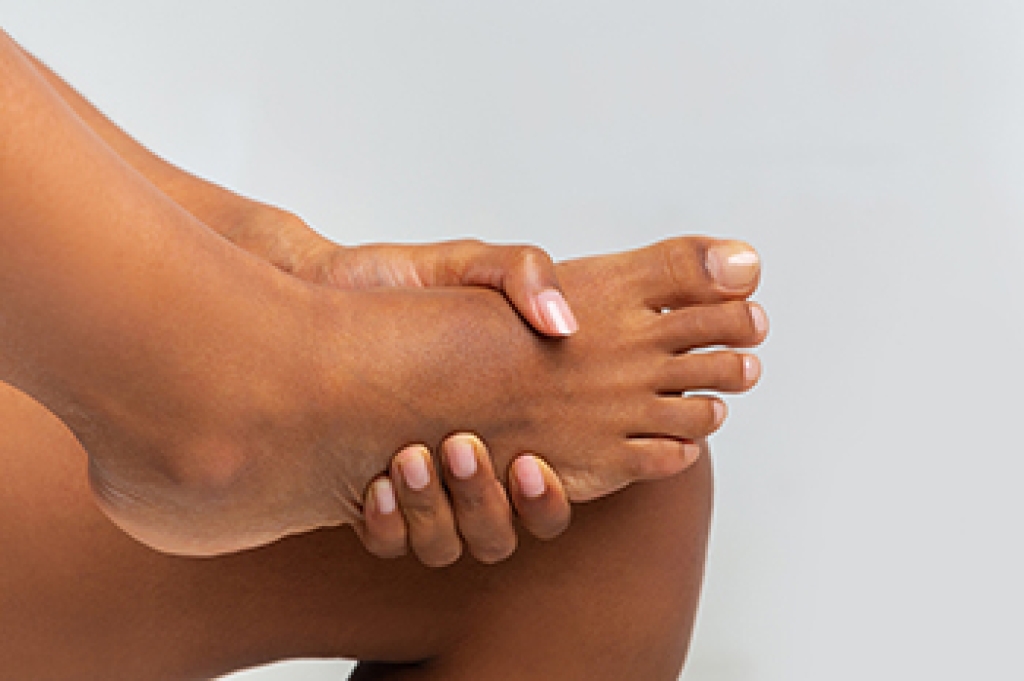
Foot drop makes it difficult to lift the front part of the foot while walking. Instead of being a disease itself, it is a sign of an underlying problem affecting the muscles or nerves that control foot movement. People with foot drop may drag their toes, lift their knee higher than usual, or have trouble clearing the foot with each step. Some individuals also experience numbness, weakness, or tingling in the foot or lower leg. These symptoms can increase the risk of trips and falls, making everyday activities more challenging. Because foot drop can have several causes, a professional evaluation is important to identify the underlying condition and determine the most appropriate treatment.
Foot drop may develop after a nerve injury or as the result of certain muscle or neurological conditions. In some cases, pressure on a nerve can interfere with normal communication between the brain and the muscles that lift the foot. As walking mechanics change, extra stress may be placed on the ankle, knee, and hip. This altered movement can also affect balance and reduce overall mobility. A thorough podiatry evaluation helps assess foot function, muscle strength, and walking patterns. Additional testing may be recommended to identify the source of the problem and guide treatment planning.
A podiatrist plays an important role in evaluating foot drop and helping patients improve foot function and mobility. Professional care focuses on identifying the cause of the condition, improving walking mechanics, and reducing the risk of complications related to abnormal movement. Treatment is tailored to each patient's needs and may involve coordination with other healthcare providers when appropriate. Early podiatry care can help improve stability and support safer movement during daily activities. If you are experiencing foot weakness, difficulty lifting your foot, or changes in the way you walk, it is suggested that you consult a podiatrist for an evaluation and appropriate treatment options.
Foot Pain
Foot pain can be extremely painful and debilitating. If you have a foot pain, consult with Jeffrey L. Bober, DPM from Maryland. Our doctor will assess your condition and provide you with quality foot and ankle treatment.
Causes
Foot pain is a very broad condition that could be caused by one or more ailments. The most common include:
Diagnosis
To figure out the cause of foot pain, podiatrists utilize several different methods. This can range from simple visual inspections and sensation tests to X-rays and MRI scans. Prior medical history, family medical history, and any recent physical traumatic events will all be taken into consideration for a proper diagnosis.
Treatment
Treatment depends upon the cause of the foot pain. Whether it is resting, staying off the foot, or having surgery; podiatrists have a number of treatment options available for foot pain.
If you have any questions, please feel free to contact our office located in Glen Burnie, MD . We offer the newest diagnostic and treatment technologies for all your foot care needs.
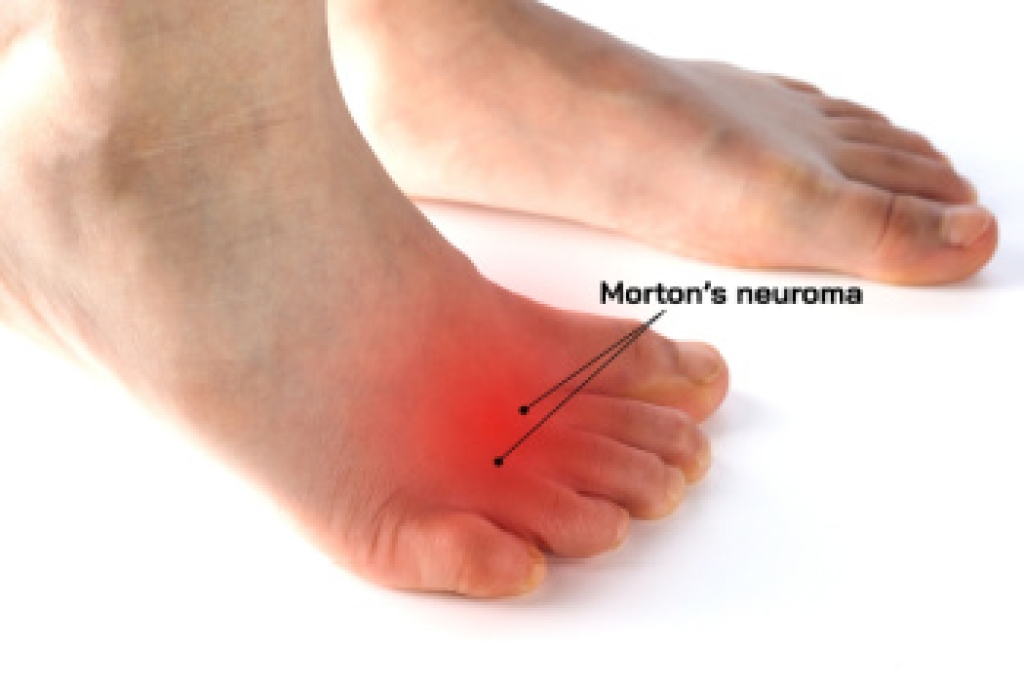
Morton's neuroma is a painful foot condition that involves thickening of the tissue surrounding a nerve in the forefoot. It most commonly develops between the third and fourth toes and results from repeated irritation or compression of the nerve. This condition is not a true tumor, but rather a response to chronic stress. Causes include wearing tight or high-heeled shoes, repetitive impact activities, and abnormal foot mechanics such as flat feet or high arches. These factors place pressure on the nerve and lead to inflammation.
Symptoms of Morton's neuroma often include a burning sensation in the ball of the foot, tingling in the toes, and a feeling as if a small object is trapped inside the shoe. Pain may worsen with walking or standing for long periods of time. Some individuals experience numbness or sharp discomfort that radiates into the toes. Symptoms may improve when shoes are removed or when the foot is massaged, but they often return with activity.
Diagnosis typically involves a clinical evaluation by a foot specialist. A podiatrist will assess symptoms, examine foot structure, and apply pressure to identify the affected area. Imaging tests such as ultrasounds or MRI scans may be used to confirm the diagnosis and rule out other conditions. Early diagnosis is important to prevent symptoms from worsening.The outlook for Morton’s neuroma depends on the structure of the foot, and whether or not simple treatments are effective. These can include wearing optimal footwear and resting the foot. When surgery is performed, the outlook depends on how much residual nerve damage exists.
Risk factors include wearing narrow shoes, participating in high-impact sporting activities, and having structural foot abnormalities. Women are more commonly affected due to footwear choices that compress the forefoot. Managing pressure and improving foot support are key to reducing symptoms. If you have symptoms of Morton's neuroma, it is suggested that you consult a podiatrist for effective relief and treatment solutions.
Morton’s neuroma is a very uncomfortable condition to live with. If you think you have Morton’s neuroma, contact Jeffrey L. Bober, DPM of Maryland. Our doctor will attend to all of your foot care needs and answer any of your related questions.
Morton’s Neuroma
Morton's neuroma is a painful foot condition that commonly affects the areas between the second and third or third and fourth toe, although other areas of the foot are also susceptible. Morton’s neuroma is caused by an inflamed nerve in the foot that is being squeezed and aggravated by surrounding bones.
What Increases the Chances of Having Morton’s Neuroma?
Morton’s neuroma is a very treatable condition. Orthotics and shoe inserts can often be used to alleviate the pain on the forefront of the feet. In more severe cases, corticosteroids can also be prescribed. In order to figure out the best treatment for your neuroma, it’s recommended to seek the care of a podiatrist who can diagnose your condition and provide different treatment options.
If you have any questions, please feel free to contact our office located in Glen Burnie, MD . We offer the newest diagnostic and treatment technologies for all your foot care needs.
Connect With Us
