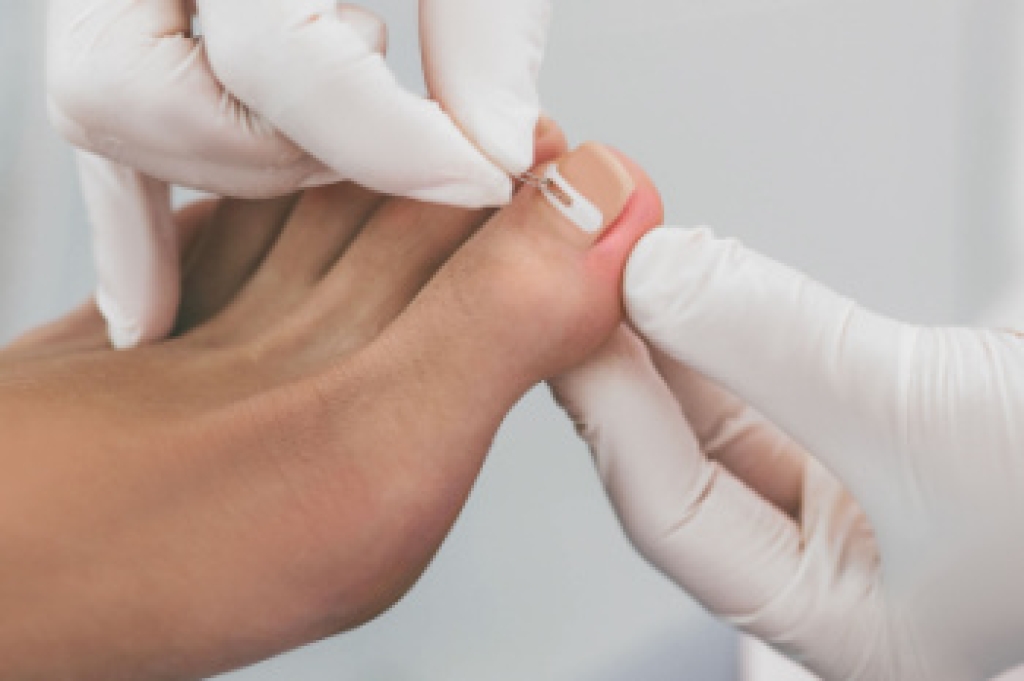
Painful Ingrown Toenails and Effective Treatment

An ingrown toenail develops when the edge of a toenail grows into the surrounding skin instead of growing straight outward. This problem most frequently affects the big toe and can be very painful. Causes include trimming the nails too short, rounding the corners of the nail, and wearing tight-fitting shoes. Genetics may also play a role. As the nail presses into the toe, the area becomes irritated and inflamed. Inflammation is the body's response to irritation. It includes redness, swelling, and tenderness. Pain can become more intense while walking, standing, or wearing shoes that press against the affected toe.

As an ingrown toenail worsens, symptoms become more severe. The skin along the side of the nail can become swollen, red, and painful to the touch. The nail may appear to curve downward into the skin. In some cases, an infection develops. Signs of infection include drainage, pus, and increased swelling. The toe can also feel warm and become more sensitive when walking. People with diabetes should pay close attention to an ingrown toenail because reduced circulation and nerve damage can make foot problems more serious. Prompt evaluation is important when signs of infection are present or when pain continues to increase.

A podiatrist can diagnose an ingrown toenail with a thorough examination of the affected toe. Treatment depends on the severity of the condition. A podiatrist may carefully remove the section of nail that is growing into the skin. For recurring cases, part of the nail may be permanently removed to prevent future problems. When infection is present, treatment includes addressing the infection and reducing inflammation. This foot doctor can also identify factors that contributed to the problem and recommend methods to help prevent it from returning. If you have developed an ingrown toenail, it is suggested that you schedule an appointment with a podiatrist for effective relief and treatment solutions.

Ingrown toenails may initially present themselves as a minor discomfort, but they may progress into an infection in the skin without proper treatment. For more information about ingrown toenails, contact Jeffrey L. Bober, DPM of Maryland. Our doctor can provide the care you need to keep you pain-free and on your feet.

Ingrown Toenails

Ingrown toenails are caused when the corner or side of a toenail grows into the soft flesh surrounding it. They often result in redness, swelling, pain, and in some cases, infection. This condition typically affects the big toe and may recur if it is not treated properly.

Causes

  • Improper toenail trimming
  • Genetics
  • Improper shoe fitting
  • Injury from pedicures or nail picking
  • Abnormal gait
  • Poor hygiene

You are more likely to develop an ingrown toenail if you are obese, have diabetes, arthritis, or have any fungal infection in your nails. Additionally, people who have foot or toe deformities are at a higher risk of developing an ingrown toenail.

Symptoms

Some symptoms of ingrown toenails are redness, swelling, and pain. In rare cases, there may be a yellowish drainage coming from the nail.

Treatment

Ignoring an ingrown toenail can have serious complications. Infections of the nail border can progress to a deeper soft-tissue infection, which can then turn into a bone infection. You should always speak with your podiatrist if you suspect you have an ingrown toenail, especially if you have diabetes or poor circulation.

If you have any questions, please feel free to contact our office located in Glen Burnie, MD . We offer the newest diagnostic and treatment technologies for all your foot care needs.

Read more about Ingrown Toenail Care

Reminder: When Was the Last Time...?

Custom orthotics, or shoe inserts, should be periodically replaced. Orthotics must fit properly to give you the best results. Protect your feet and ankles!

Issues With Flat Feet

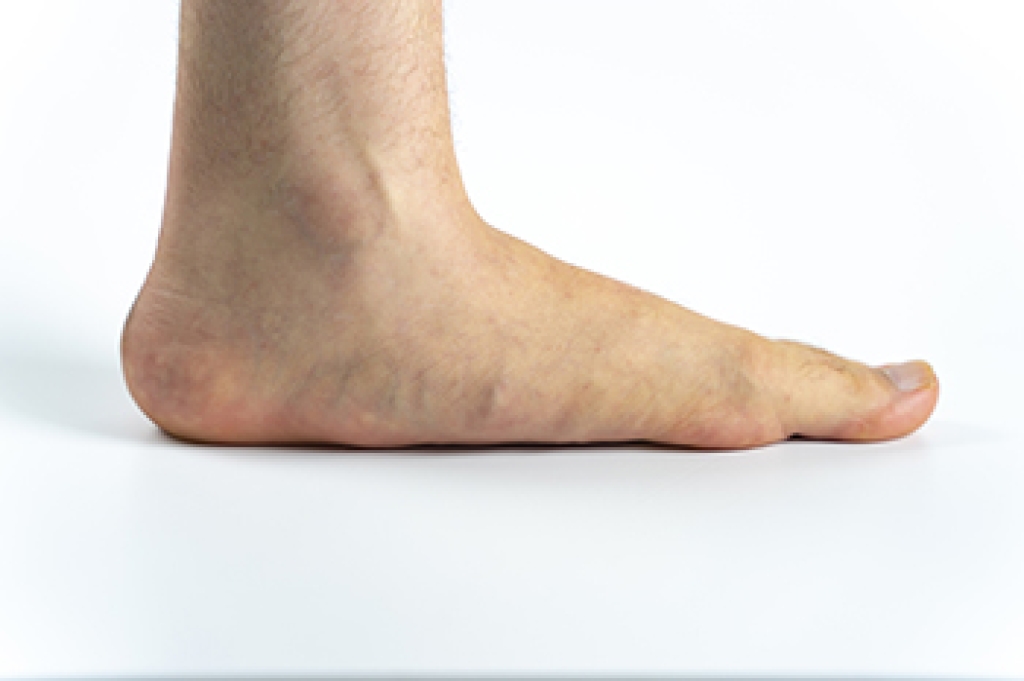
Flat feet, sometimes called fallen arches, occur when the arch on the inside of the foot is very low or absent, causing most or all of the sole to touch the ground. Some people are born with flat feet, while others develop the condition later in life. The most common type is flexible flatfoot, where an arch can be seen when sitting or standing on tiptoes but disappears when weight is placed on the foot. A less common type, called rigid flatfoot, occurs when the arch is absent at all times due to the way the bones are formed. Flat feet can also develop during adulthood as a result of tendon problems, injury, or certain neurological conditions. While some people have no symptoms, others may experience foot pain, fatigue, or difficulty with prolonged standing and walking. A podiatrist can evaluate the structure and function of the feet, analyze walking patterns, and recommend appropriate treatment. This may include supportive footwear, stretching exercises, or custom orthotics. If flat feet are causing discomfort, it is suggested that you schedule an appointment with a podiatrist.

Flatfoot is a condition many people suffer from. If you have flat feet, contact Jeffrey L. Bober, DPM from Maryland. Our doctor will treat your foot and ankle needs.

What Are Flat Feet?

Flatfoot is a condition in which the arch of the foot is depressed and the sole of the foot is almost completely in contact with the ground. About 20-30% of the population generally has flat feet because their arches never formed during growth.

Conditions & Problems:

Having flat feet makes it difficult to run or walk because of the stress placed on the ankles.

Alignment – The general alignment of your legs can be disrupted, because the ankles move inward which can cause major discomfort.

Knees – If you have complications with your knees, flat feet can be a contributor to arthritis in that area.  

Symptoms

  • Pain around the heel or arch area
  • Trouble standing on the tip toe
  • Swelling around the inside of the ankle
  • Flat look to one or both feet
  • Having your shoes feel uneven when worn

Treatment

If you are experiencing pain and stress on the foot you may weaken the posterior tibial tendon, which runs around the inside of the ankle. 

If you have any questions, please feel free to contact our office located in Glen Burnie, MD . We offer the newest diagnostic and treatment technologies for all your foot care needs.
Read more about Flat Feet

How Foot Joints Work Together

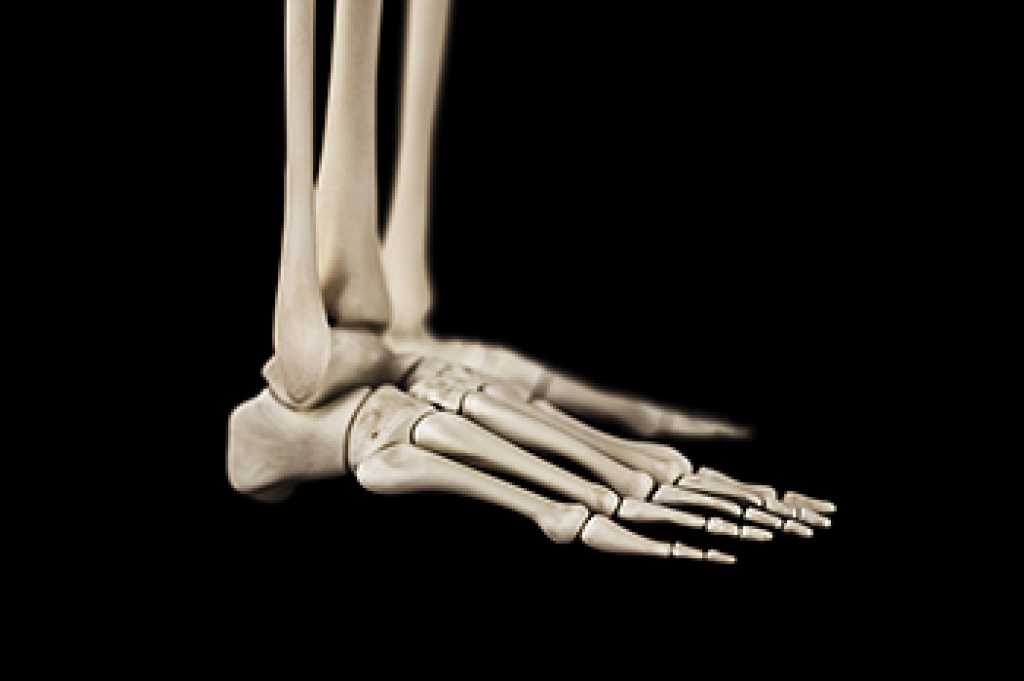
The foot contains many joints that work together to create balance, movement, and shock absorption with every step. Some foot joints help the foot bend smoothly during walking, while others provide stability when standing or pushing forward. The joints in the middle of the foot help maintain arch support and adjust to uneven surfaces. Toe joints assist with balance and the final push that moves the body ahead. The ankle works closely with these structures to control motion and help distribute pressure across the foot. When one joint becomes stiff, inflamed, injured, or misaligned, other areas may work harder to compensate, which can lead to pain or changes in walking patterns. A podiatrist can evaluate how the foot moves as a connected system and identify areas contributing to discomfort or instability. If walking becomes painful or unsteady, it is suggested that you visit a podiatrist for an evaluation.

If you have any concerns about your feet, contact Jeffrey L. Bober, DPM from Maryland. Our doctor can provide the care you need to keep you pain-free and on your feet.

Biomechanics in Podiatry

Podiatric biomechanics is a particular sector of specialty podiatry with licensed practitioners who are trained to diagnose and treat conditions affecting the foot, ankle and lower leg. Biomechanics deals with the forces that act against the body, causing an interference with the biological structures. It focuses on the movement of the ankle, the foot and the forces that interact with them.

A History of Biomechanics

  • Biomechanics dates back to the BC era in Egypt where evidence of professional foot care has been recorded.
  • In 1974, biomechanics gained a higher profile from the studies of Merton Root, who claimed that by changing or controlling the forces between the ankle and the foot, corrections or conditions could be implemented to gain strength and coordination in the area.

Modern technological improvements are based on past theories and therapeutic processes that provide a better understanding of podiatric concepts for biomechanics. Computers can provide accurate information about the forces and patterns of the feet and lower legs.

Understanding biomechanics of the feet can help improve and eliminate pain, stopping further stress to the foot.

If you have any questions please feel free to contact our office located in Glen Burnie, MD . We offer the newest diagnostic and treatment technologies for all your foot and ankle needs.

Read more about Biomechanics in Podiatry

Understanding Gout Risk Factors

Gout is a well-known and ancient form of arthritis that occurs when excess uric acid in the blood forms crystals inside a joint. The big toe is often affected, leading to sudden pain, swelling, redness, and warmth that can make walking difficult. These episodes may develop quickly and feel severe even at rest. Several factors can increase the likelihood of gout, including inherited traits, regular alcohol use, and diets high in red meat or sweetened beverages. Being overweight and having certain health conditions can also raise risk. A podiatrist can confirm the cause of joint pain and provide treatment to reduce inflammation and prevent long-term damage. If you have symptoms of gout, it is suggested that you seek evaluation from a podiatrist.

Gout is a foot condition that requires certain treatment and care. If you are seeking treatment, contact Jeffrey L. Bober, DPM from Maryland. Our doctor will treat your foot and ankle needs.

What Is Gout?

Gout is a type of arthritis caused by a buildup of uric acid in the bloodstream. It often develops in the foot, especially the big toe area, although it can manifest in other parts of the body as well. Gout can make walking and standing very painful and is especially common in diabetics and the obese.

People typically get gout because of a poor diet. Genetic predisposition is also a factor. The children of parents who have had gout frequently have a chance of developing it themselves.

Gout can easily be identified by redness and inflammation of the big toe and the surrounding areas of the foot. Other symptoms include extreme fatigue, joint pain, and running high fevers. Sometimes corticosteroid drugs can be prescribed to treat gout, but the best way to combat this disease is to get more exercise and eat a better diet.

If you have any questions, please feel free to contact our office located in Glen Burnie, MD . We offer the newest diagnostic and treatment technologies for all your foot care needs.

Read more about Gout

Connect With Us

Advanced Podiatric Procedures & Services in the Glen Burnie, MD 21061 area