
Do you suffer from heel pain when you get up in the morning? If so, you should seek professional help and have a proper diagnosis performed. Heel pain can be caused by several different foot-related conditions.
Do you suffer from heel pain when you get up in the morning? If so, you should seek professional help and have a proper diagnosis performed. Heel pain can be caused by several different foot-related conditions.

Achilles tendon pain often develops when the thick tendon connecting the calf muscles to the heel becomes irritated or inflamed from overuse, strain, or injury. This condition may cause aching, stiffness, or burning pain along the back of the heel or lower leg. This often happens after exercise or first getting out of bed in the morning. The area may appear swollen or thickened and can feel tender when touched. Running, climbing stairs, or prolonged walking may increase discomfort and make movement more difficult. Common causes include sudden increases in activity, tight calf muscles, wearing improper footwear, and repeated stress on the tendon. A podiatrist can evaluate the severity of the condition and determine whether there is inflammation, small tears, or tendon degeneration. Treatment may include wearing supportive footwear, targeted exercises, and activity modification. If you have Achilles tendon pain, it is suggested that you schedule an appointment with a podiatrist for an accurate diagnose and appropriate treatment plan.
Achilles tendon injuries need immediate attention to avoid future complications. If you have any concerns, contact Jeffrey L. Bober, DPM of Maryland. Our doctor can provide the care you need to keep you pain-free and on your feet.
What Is the Achilles Tendon?
The Achilles tendon is a tendon that connects the lower leg muscles and calf to the heel of the foot. It is the strongest tendon in the human body and is essential for making movement possible. Because this tendon is such an integral part of the body, any injuries to it can create immense difficulties and should immediately be presented to a doctor.
What Are the Symptoms of an Achilles Tendon Injury?
There are various types of injuries that can affect the Achilles tendon. The two most common injuries are Achilles tendinitis and ruptures of the tendon.
Achilles Tendinitis Symptoms
Rupture Symptoms
Treatment and Prevention
Achilles tendon injuries are diagnosed by a thorough physical evaluation, which can include an MRI. Treatment involves rest, physical therapy, and in some cases, surgery. However, various preventative measures can be taken to avoid these injuries, such as:
If you have any questions please feel free to contact our office located in Glen Burnie, MD . We offer the newest diagnostic tools and technology to treat your foot and ankle needs.
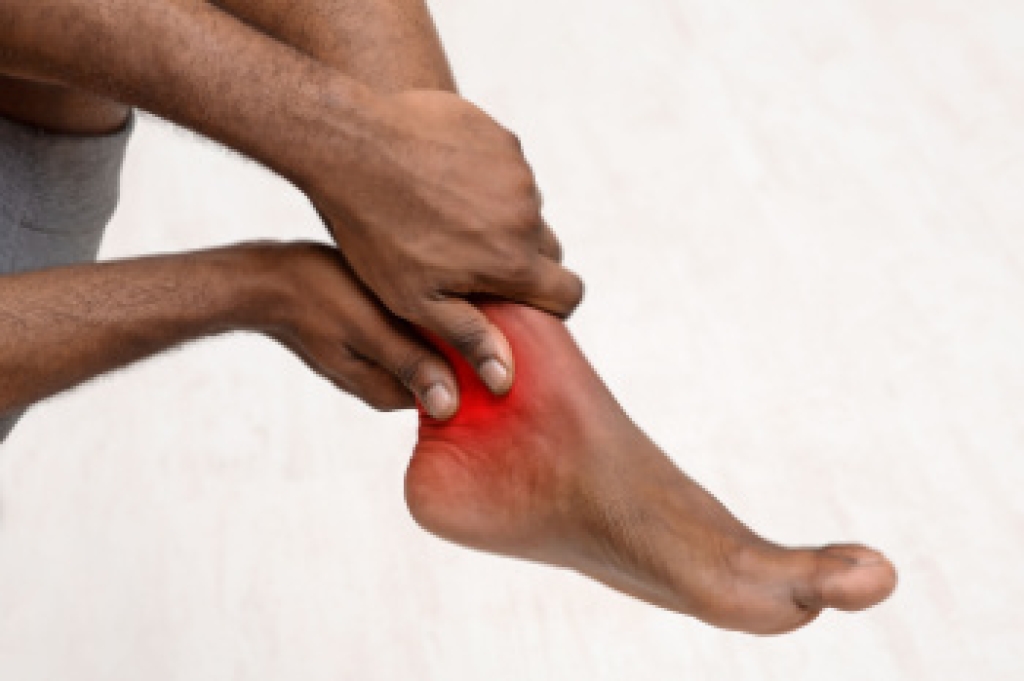
Psoriatic arthritis, also known as PsA, is an inflammatory arthritis that can affect people who have the autoimmune skin condition psoriasis. This condition may cause joint pain in the feet and ankles, and stiffness, and swelling that can make walking uncomfortable. It can also lead to plantar fasciitis and Achilles tendonitis, adding strain to the heel and surrounding tissues. Risk factors include a history of psoriasis, genetic factors, and immune system activity. Symptoms may include tenderness, warmth, reduced range of motion, and fatigue. A podiatrist can evaluate symptoms, provide supportive care, and recommend treatments to reduce inflammation and improve function. If you have any of the above symptoms, it is suggested that you consult a podiatrist who can offer effective relief and management solutions.
Arthritis can be a difficult condition to live with. If you are seeking treatment, contact Jeffrey L. Bober, DPM from Maryland. Our doctor can provide the care you need to keep you pain-free and on your feet.
Arthritic Foot Care
Arthritis is a joint disorder that involves the inflammation of different joints in your body, such as those in your feet. Arthritis is often caused by a degenerative joint disease and causes mild to severe pain in all affected areas. In addition to this, swelling and stiffness in the affected joints can also be a common symptom of arthritis.
In many cases, wearing ill-fitting shoes can worsen the effects and pain of arthritis. Wearing shoes that have a lower heel and extra room can help your feet feel more comfortable. In cases of rheumatoid arthritis, the arch in your foot may become problematic. Buying shoes with proper arch support that contour to your feet can help immensely.
Alleviating Arthritic Pain
It is best to see your doctor for the treatment that is right for your needs and symptoms. Conditions vary, and a podiatrist can help you determine the right method of care for your feet.
If you have any questions please feel free to contact our office located in Glen Burnie, MD . We offer the newest diagnostic tools and technology to treat your foot and ankle needs.

Foot and ankle pain in children can happen for many reasons, especially during growth and sports activities. Repeated running, jumping, and minor injuries often place stress on developing bones, joints, and soft tissue. Some children may have heel pain from growth plate irritation. Others may develop pain from flat feet, ankle sprains, or overuse injuries. Younger children may limp or avoid putting weight on the foot, while older children can usually point to the exact area of pain. Swelling, stiffness, or pain that gets worse with activity should not be ignored. A podiatrist can examine how the child walks, check foot structure and joint movement, and order imaging tests to confirm the cause. Treatment includes custom orthotics, bracing, or other care to reduce pain and protect healthy growth. If your child exhibits foot or ankle pain, it is suggested that you schedule an appointment with a podiatrist for expert advice and guidance.
Making sure that your children maintain good foot health is very important as they grow. If you have any questions, contact Jeffrey L. Bober, DPM of Maryland. Our doctor can provide the care you need to keep you pain-free and on your feet.
Keeping Children's Feet Healthy
Having healthy feet during childhood can help prevent medical problems later in life, namely in the back and legs. As children grow, their feet require different types of care. Here are some things to consider...
Although babies do not walk yet, it is still very important to take care of their feet.
Avoid putting tight shoes or socks on his or her feet.
Allow the baby to stretch and kick his or her feet to feel comfortable.
As a toddler, kids are now on the move and begin to develop differently. At this age, toddlers are getting a feel for walking, so don’t be alarmed if your toddler is unsteady or ‘walks funny’.
As your child gets older, it is important to teach them how to take care of their feet.
Show them proper hygiene to prevent infections such as fungus.
Be watchful for any pain or injury.
Have all injuries checked by a doctor as soon as possible.
Comfortable, protective shoes should always be worn, especially at play.
If you have any questions, please feel free to contact our office located in Glen Burnie, MD . We offer the newest diagnostic and treatment technologies for all your foot care needs.

Ongoing redness, swelling, and pain surrounding a toenail are often treated as a nail fold infection or an ingrown toenail. However, another condition called retronychia may be the cause. Retronychia happens when a new nail grows under an old nail and pushes it backward into the skin. This can look very similar to other nail problems, which can lead to confusion and delayed care. Signs may include repeated flare ups, thickened nails, and pain with pressure or shoes. Standard treatments may not work because the cause is different. Without proper care, this condition can lead to infection or lasting nail changes. Early identification helps guide the right treatment and can prevent complications. If symptoms do not improve or keep returning, it is suggested you schedule an appointment with a podiatrist for appropriate treatment.
Ingrown toenails can become painful if they are not treated properly. For more information about ingrown toenails, contact Jeffrey L. Bober, DPM of Maryland. Our doctor can provide the care you need to keep you pain-free and on your feet.
Ingrown Toenails
Ingrown toenails occur when a toenail grows sideways into the bed of the nail, causing pain, swelling, and possibly infection.
Causes
Prevention
Wearing proper fitting shoes and using proper cutting techniques will also help decrease your risk of developing ingrown toenails.
Treatment
Ingrown toenails are a very treatable foot condition. In minor cases, soaking the affected area in salt or antibacterial soaps will not only help with the ingrown nail itself, but also help prevent any infections from occurring. In more severe cases, surgery is an option. In either case, speaking to your podiatrist about this condition will help you get a better understanding of specific treatment options that are right for you.
If you have any questions, please feel free to contact our office located in Glen Burnie, MD . We offer the newest diagnostic and treatment technologies for all your foot care needs.
Connect With Us
