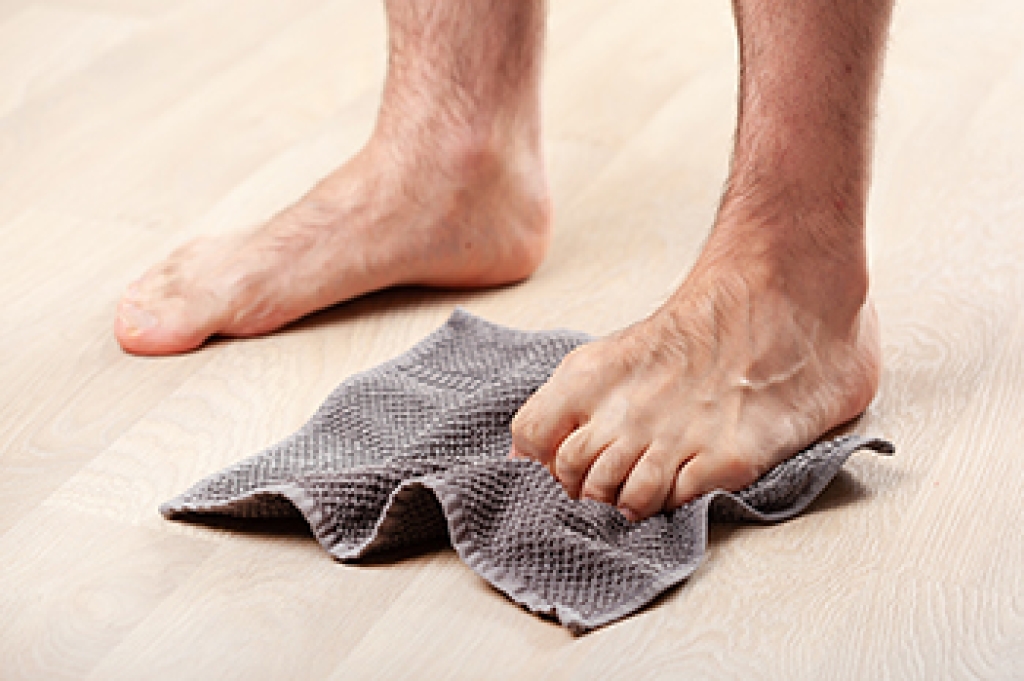
Exercises That Help Support Flexible Flat Feet

Flexible flat feet occur when the arch of the foot appears normal while sitting, but flattens when standing or walking. This type of foot structure can place extra strain on muscles, tendons, and ligaments that support the arch. Strengthening the small muscles of the feet and ankles may help improve alignment and stability. One helpful exercise is the towel curl. Place a towel on the floor and use your toes to slowly scrunch it toward you while keeping the heel on the ground. Another effective movement is the short foot exercise, which gently lifts the arch by drawing the ball of the foot toward the heel without curling the toes. Calf stretching is also beneficial because tight calf muscles can affect foot mechanics. Practicing these exercises regularly may support better foot function, over time. If flat feet cause pain or difficulty with activity, it is suggested that you see a podiatrist for relief strategies.

Exercising your feet regularly with the proper foot wear is a great way to prevent injuries and build strength. If you have any concerns about your feet, contact Jeffrey L. Bober, DPM from Maryland. Our doctor can provide the care you need to keep you pain-free and on your feet.

Exercise for Your Feet

Exercise for your feet can help you gain strength, mobility and flexibility in your feet. They say that strengthening your feet can be just as rewarding as strengthening another part of the body. Your feet are very important, and we often forget about them in our daily tasks. But it is because of our feet that are we able to get going and do what we need to. For those of us fortunate enough to not have any foot problems, it is an important gesture to take care of them to ensure good health in the long run.

Some foot health exercises can include ankle pumps, tip-toeing, toe rises, lifting off the floor doing reps and sets, and flexing the toes. It is best to speak with Our doctor to determine an appropriate regimen for your needs. Everyone’s needs and bodies are different, and the activities required to maintain strength in the feet vary from individual to individual. 

Once you get into a routine of doing regular exercise, you may notice a difference in your feet and how strong they may become.

If you have any questions, please feel free to contact our office located in Glen Burnie, MD . We offer the newest diagnostic and treatment technologies for all your foot care needs.

Read more about Exercise for Your Feet

Wounds That Don't Heal Need to Be Checked

Your feet are covered most of the day. If you're diabetic, periodic screening is important for good health. Numbness is often a sign of diabetic foot and can mask a sore or wound.

Injection Therapy for Painful Morton Neuroma

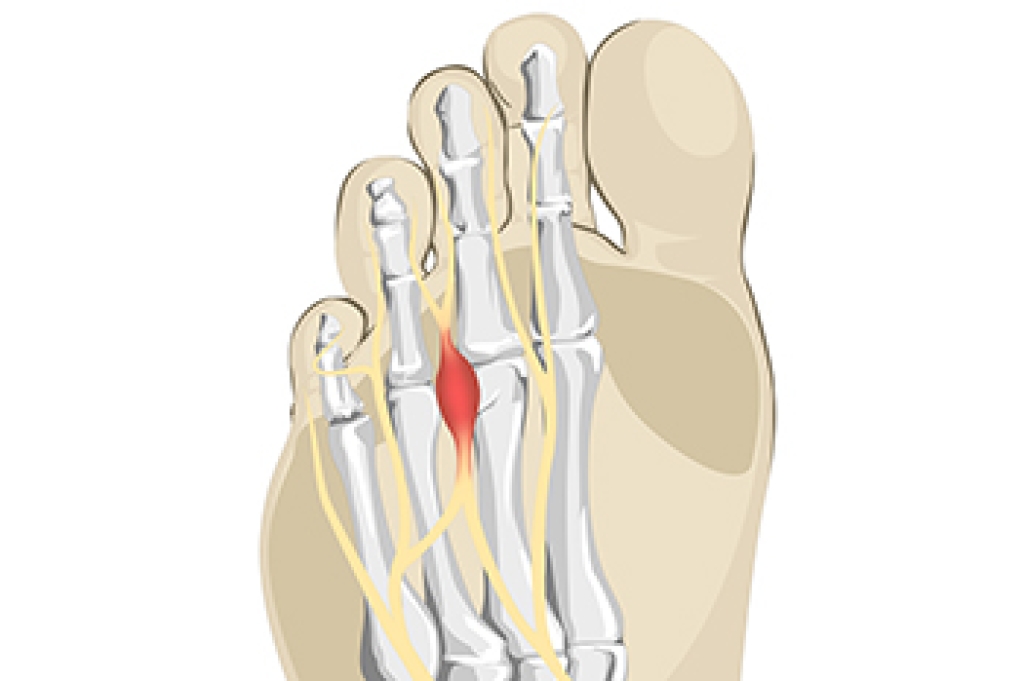
Morton neuroma is a nerve-related condition that causes burning pain, tingling, or numbness in the ball of the foot. It usually develops between the third and fourth toes when the nerve becomes irritated and thickened from repeated pressure. Wearing tight shoes, high heels, and high impact activities often worsen the problem. When shoe changes, padding, and activity modification do not bring relief, injection therapy may be considered. This treatment involves carefully placing medication around the affected nerve to reduce inflammation and calm nerve irritation. Corticosteroid injections are commonly used to decrease swelling and pressure in the surrounding tissues. Some patients also receive alcohol-based injections that help shrink the enlarged nerve over time. These treatments are performed in a clinical setting and are designed to relieve pain while improving walking comfort. When persistent forefoot pain suggests Morton neuroma, a consultation with a podiatrist is suggested to discuss diagnosis and appropriate treatment options.

Morton’s neuroma is a very uncomfortable condition to live with. If you think you have Morton’s neuroma, contact Jeffrey L. Bober, DPM of Maryland. Our doctor will attend to all of your foot care needs and answer any of your related questions.  

Morton’s Neuroma

Morton's neuroma is a painful foot condition that commonly affects the areas between the second and third or third and fourth toe, although other areas of the foot are also susceptible. Morton’s neuroma is caused by an inflamed nerve in the foot that is being squeezed and aggravated by surrounding bones.

What Increases the Chances of Having Morton’s Neuroma?

  • Ill-fitting high heels or shoes that add pressure to the toe or foot
  • Jogging, running or any sport that involves constant impact to the foot
  • Flat feet, bunions, and any other foot deformities

Morton’s neuroma is a very treatable condition. Orthotics and shoe inserts can often be used to alleviate the pain on the forefront of the feet. In more severe cases, corticosteroids can also be prescribed. In order to figure out the best treatment for your neuroma, it’s recommended to seek the care of a podiatrist who can diagnose your condition and provide different treatment options.

If you have any questions, please feel free to contact our office located in Glen Burnie, MD . We offer the newest diagnostic and treatment technologies for all your foot care needs.
Read more about Morton's Neuroma

Confident Steps in the Senior Years

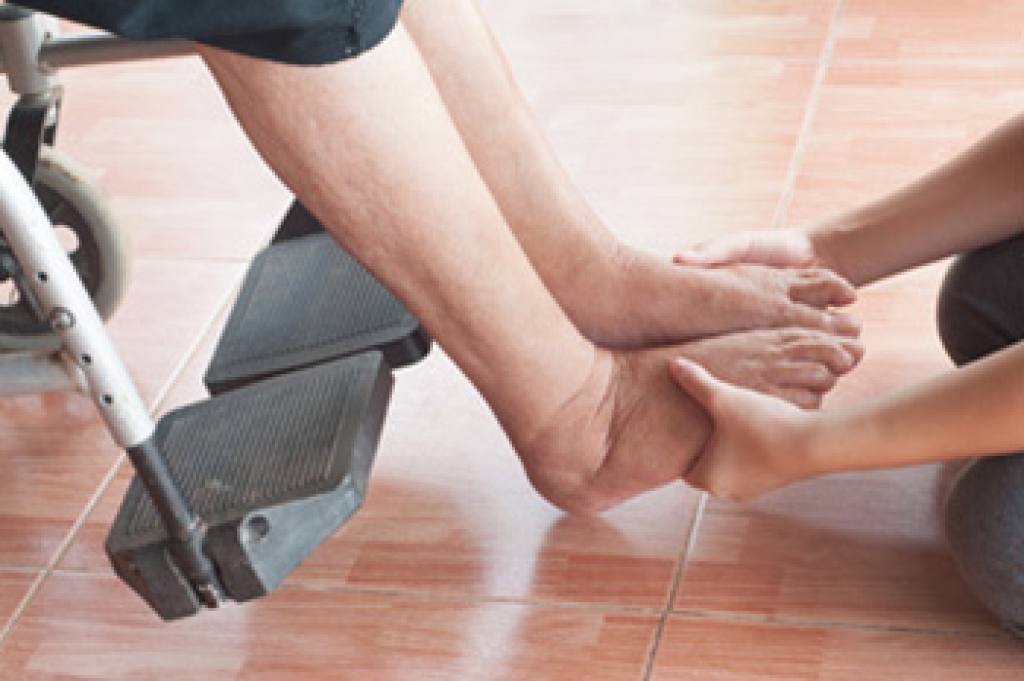
As we age, the feet experience years of wear that can affect balance, comfort, and mobility. Skin becomes thinner, nails may thicken, and circulation often slows, making it easier for small problems to develop into bigger concerns. Many seniors also notice changes in sensation, which can make it harder to detect irritation, pressure, or early signs of infection. Regular attention to the feet helps maintain stability and prevents avoidable complications. Gentle daily washing and drying, proper moisture for the skin, and wearing well-fitted shoes that support the arch and heel all contribute to healthier steps. Routine checks for redness, swelling, or changes in nails are equally important. A podiatrist can identify issues such as calluses, arthritis, neuropathy, or circulation problems before they interfere with daily activities. Professional care also ensures nails are trimmed safely and any developing conditions are managed early. If discomfort, numbness, or skin changes begin to affect walking or balance, it is suggested that you see a podiatrist for thorough evaluation and guidance tailored to senior foot health.

If you need your feet checked, contact Jeffrey L. Bober, DPM of Maryland. Our doctor will attend to all of your foot and ankle needs and provide you with quality treatment.

Geriatrics and Podiatry
When people age, some common issues that may occur are bone density loss, dry skin, poor circulation, and rough brittle nails. These issues may also affect your foot health if the necessary steps are not taken to alleviate the problems.

It is important to take care of your feet because feet that are injured or diseased can affect your overall health. Having painful feet hinders your ability to do daily activities or may decrease your willingness to do the things that you need to do.

Visiting Your Geriatrician
As we age, health problems become more likely, so it is essential to visit your doctor for check-ups to ensure that you are doing the best you can to take care of your health. It is recommended to check your feet frequently for any possible cuts, bruises, swelling, corns or any other irregularities. 

Taking Care of Elderly Feet
Cracked or dry feet can be treated by applying moisturizer often. It is also important not to wear old socks because the older the sock is, the higher the possibility there will be that there is bacteria there. Wear fresh socks and make sure they fit properly.

Proper foot health means that you can have a more active lifestyle and you will not be bogged down by pain. Foot health also leads to good circulation, which is paramount for overall health.

If you have any questions, please feel free to contact our office located in Glen Burnie, MD . We offer the newest diagnostic and treatment technologies for all your foot care needs.

Read more about Taking Care of Elderly Feet

Midfoot Arthritis and How to Manage It

Midfoot arthritis is a condition characterized by inflammation of the joints in the middle of the foot, leading to pain, stiffness, and reduced mobility. Common symptoms include swelling, tenderness, and discomfort while walking or standing for extended periods. The pain often worsens with activity and may make daily tasks difficult to complete. Risk factors include previous foot injuries, repetitive stress, obesity, and aging, all of which can accelerate joint wear. A podiatrist can evaluate the severity of midfoot arthritis, recommend supportive footwear or custom orthotics, provide anti-inflammatory treatments, and develop a plan to preserve joint function. If you have any type of foot arthritis, it is suggested that you consult a podiatrist who can help you with effective relief and management tips.

Arthritis can be a difficult condition to live with. If you are seeking treatment, contact Jeffrey L. Bober, DPM from Maryland. Our doctor can provide the care you need to keep you pain-free and on your feet.

Arthritic Foot Care  

Arthritis is a term that is commonly used to describe joint pain.  The condition itself can occur to anyone of any age, race, or gender, and there are over 100 types of it.  Nevertheless, arthritis is more commonly found in women compared to men, and it is also more prevalent in those who are overweight. The causes of arthritis vary depending on which type of arthritis you have. Osteoarthritis for example, is often caused by injury, while rheumatoid arthritis is caused by a misdirected immune system.

Symptoms

  • Swelling
  • Pain
  • Stiffness
  • Decreased Range of Motion

Arthritic symptoms range in severity, and they may come and go. Some symptoms stay the same for several years but could potentially get worse with time. Severe cases of arthritis can prevent its sufferers from performing daily activities and make walking difficult.

Risk Factors

  • Occupation – Occupations requiring repetitive knee movements have been linked to osteoarthritis
  • Obesity – Excess weight can contribute to osteoarthritis development
  • Infection – Microbial agents can infect the joints and trigger arthritis
  • Joint Injuries – Damage to joints may lead to osteoarthritis
  • Age – Risk increases with age
  • Gender –Most types are more common in women
  • Genetics – Arthritis can be hereditary

If you suspect your arthritis is affecting your feet, it is crucial that you see a podiatrist immediately. Your doctor will be able to address your specific case and help you decide which treatment method is best for you.

If you have any questions please feel free to contact our office located in Glen Burnie, MD . We offer the newest diagnostic tools and technology to treat your foot and ankle needs.

Read more about How to Care for Your Arthritic Foot

Connect With Us

Advanced Podiatric Procedures & Services in the Glen Burnie, MD 21061 area